
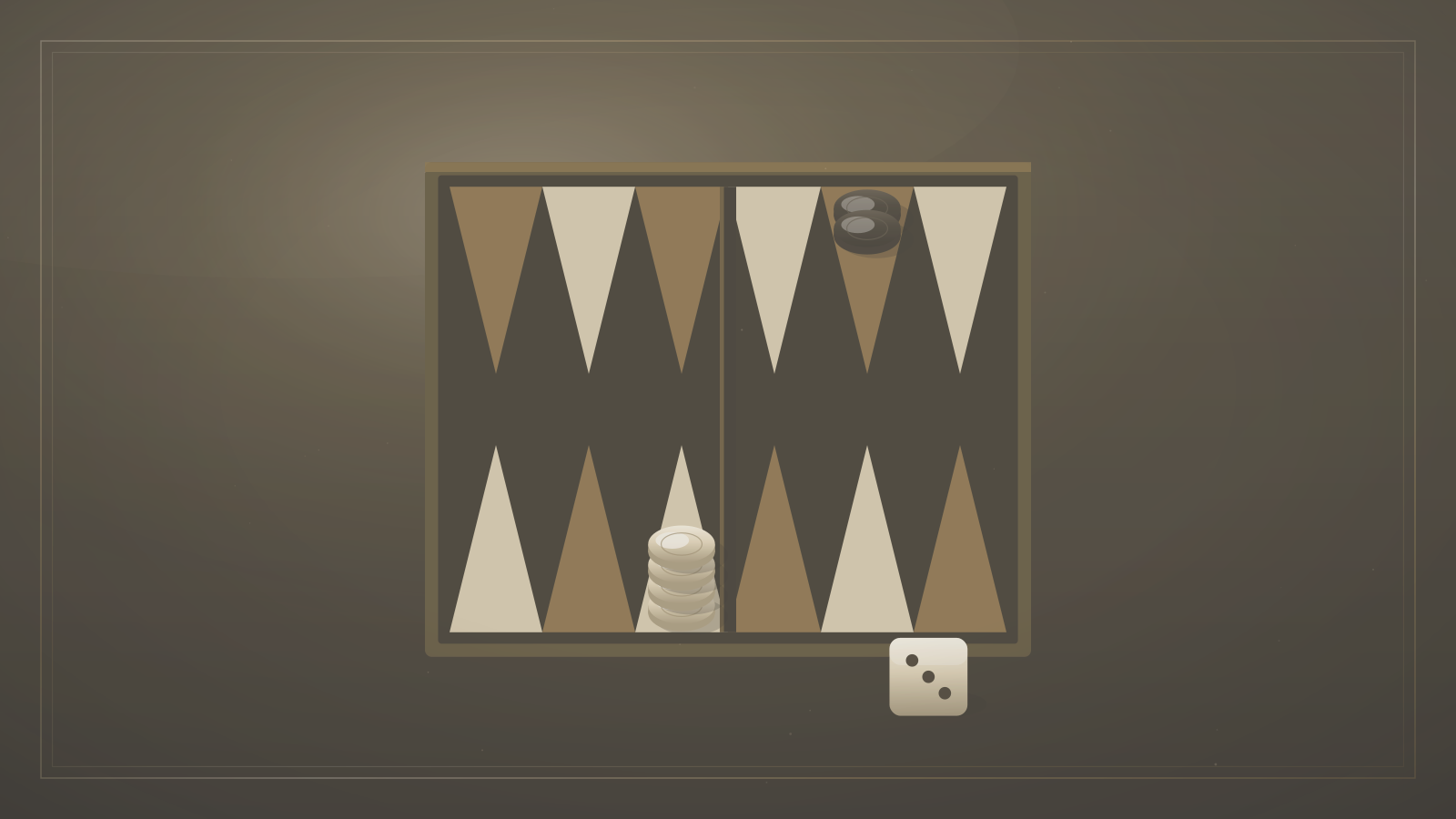
A demonstration of Backgammon, played by the computer against itself.
Backgammon — playing itself
Ways to play
Alone, against the computer
Your own pace, no arranging anything. Take a move back whenever you like.
Play alone5 opponents, weakest first
- LooseReads the board and then plays any of its eight best moves, every single turn — so it leaves blots everywhere. It never turns the cube, and it takes every double you offer.
- CarefulSees the shot you left, and then plays something else about a third of the time.
- SoundThe same reading of the board without the lapses, and the first level that plays a cube decision out instead of counting pips.
- HardWhere the choice is close, it plays its best three candidates four turns on against eighty sets of dice each, and changes its mind only when one of them wins by more than the noise.
- UnkindFive candidates instead of three, a wider idea of close, twice the dice behind each — and it works out when playing on beats cashing instead of guessing at it.
Together, in the same room
2 players. One device goes round the table, or everybody plays off the same screen.
Play in the same roomOnline, at a table
A room code, joinable from anywhere. Pause tonight and pick it up next week from your device.
Play online
About
A match, not a game. Five points by default, with the doubling cube live and the Crawford rule keeping it honest — because the cube is what turns a race into a decision.
How it feels
- Brisk
- Swingy
- Old
What the design is for
Match play, with the cube
One, three, five, seven or eleven points. Crawford included; no beavers, no Jacoby, no automatic doubles.
The dice are thrown, not dealt
Asking for them and choosing them are different actions, so nothing in a saved game can hold a roll that has not happened.
Five opponents
From one that plays any of its eight best moves and leaves blots everywhere to one that plays the close decisions a few turns forward before it makes them.
Taught by playing
Seven steps: both dice, hitting, the bar, a closed board, bearing off, and the cube most people have never used.
- Best at
- —
- Kind
- Classic
- Table
- Competitive
- Studio
- Classics
The opponents
Loose
Reads the board and then plays any of its eight best moves, every single turn — so it leaves blots everywhere. It never turns the cube, and it takes every double you offer.
Careful
Sees the shot you left, and then plays something else about a third of the time.
Sound
The same reading of the board without the lapses, and the first level that plays a cube decision out instead of counting pips.
Hard
Where the choice is close, it plays its best three candidates four turns on against eighty sets of dice each, and changes its mind only when one of them wins by more than the noise.
Unkind
Five candidates instead of three, a wider idea of close, twice the dice behind each — and it works out when playing on beats cashing instead of guessing at it.
Achievements
0 of 5 earned
The Match
Win a match of backgammon.
Gammon
Win the match, having taken a game before they bore off a checker.
Backgammon
Win the match, having taken a game with one of theirs still on the bar or in your home board.
Eight and Up
Win the match, having taken a game at a cube of eight or more.
Past the Crawford Peg
Win a match after your opponent stood one point from taking it.
Key art
Key art — Board.game art system
More like this
 Classics
Classic · two players
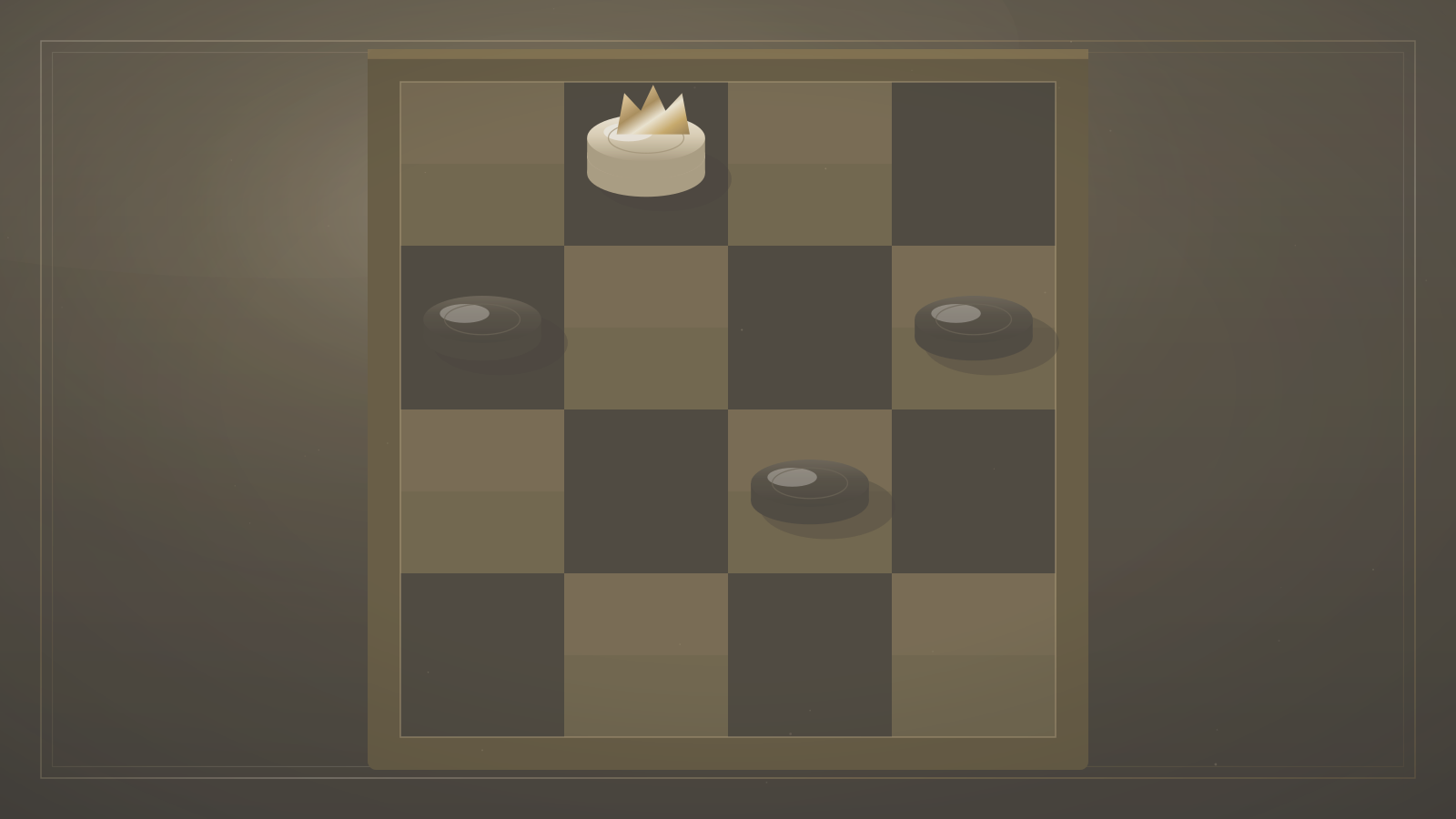
Draughts
Get to the other side.
2 players10–30 minCompetitive
Playable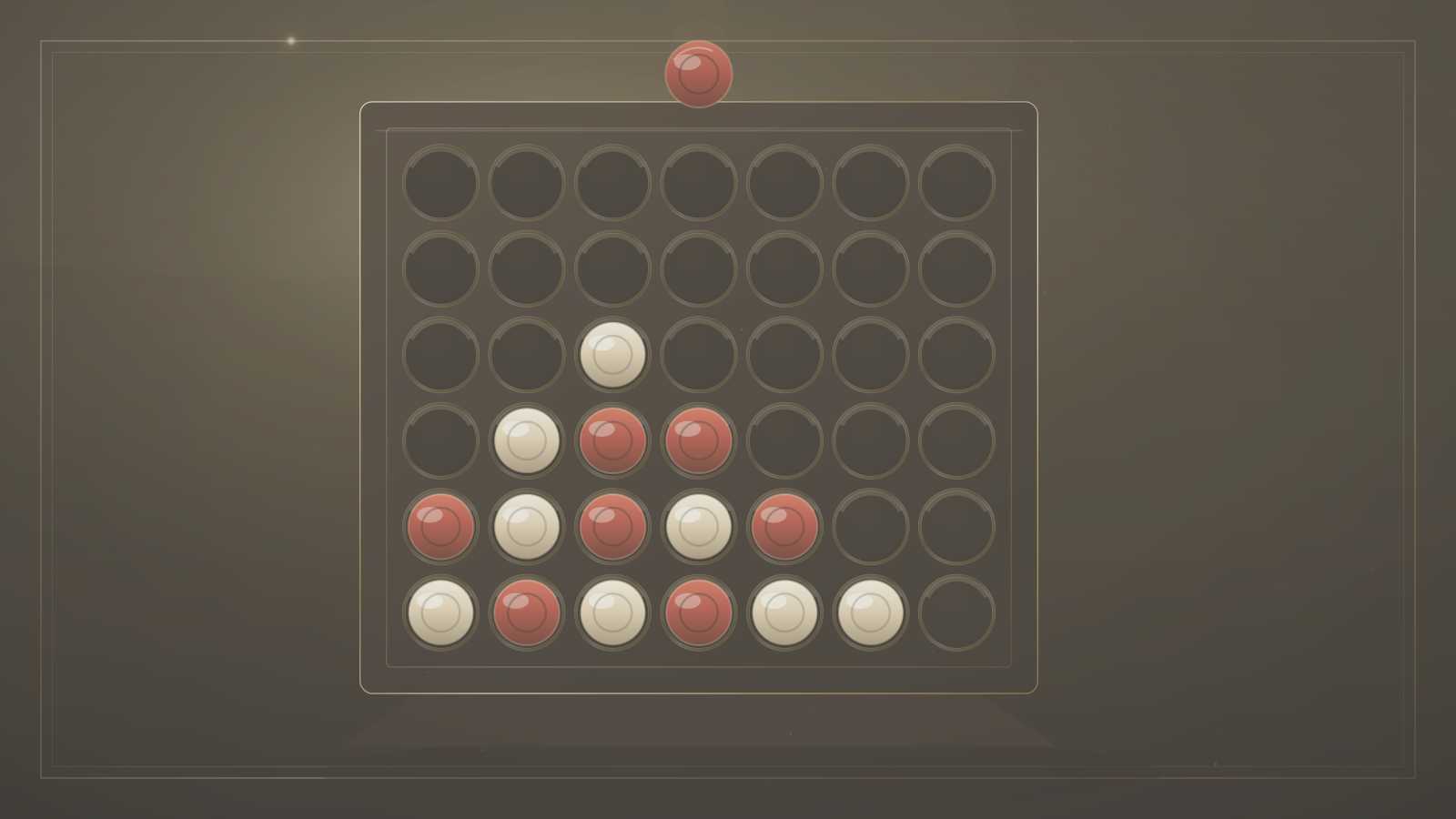 Classics
Classic · two players
Four in a Row
Four in a line. Any line.
2 players5–10 minCompetitive
Playable Classics
Classic · two players
Nine Men's Morris
Older than most of the board.
2 players10–20 minCompetitive
Playable Classics
Classic · two players
Reversi
Nothing is taken. Everything changes sides.
2 players15–25 minCompetitive
Playable Classics
Classic · two players
Hex
Join your two sides. That is the entire rulebook.
2 players10–30 minCompetitive
Playable Classics
Classic · two players
Oware
Forty-eight seeds, and none of them are yours.
2 players10–25 minCompetitive
Playable Classics
Classic · two to six players
Liar's Dice
Everybody is lying. Somebody is lying badly.
2–6 players10–25 minCompetitive
Playable Classics
Classic · two players
Chess
The one everyone already knows.
2 players20–60 minCompetitive
Playable