Hex
Classic · two players
Join your two sides. That is the entire rulebook.
Ready to play now.
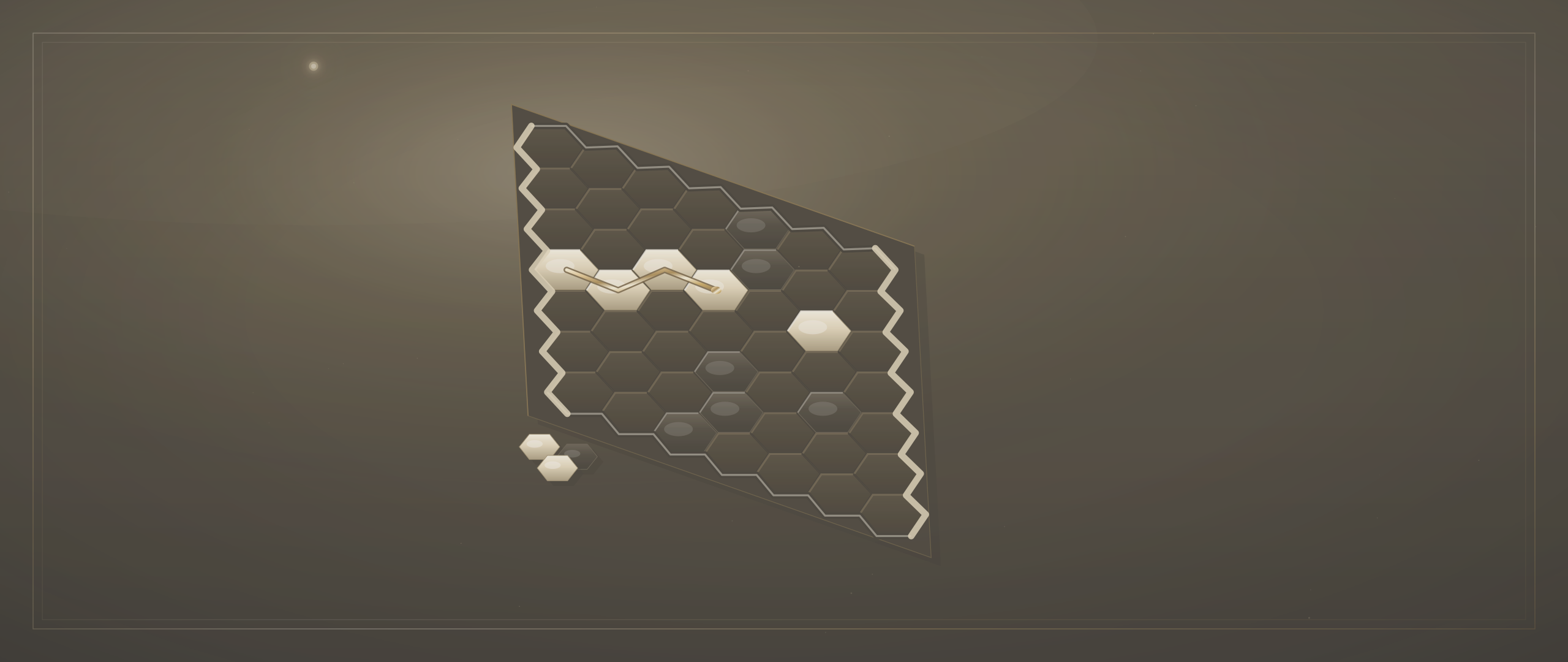
A demonstration of Hex, played by the computer against itself.
Hex — playing itself
Ways to play
Alone, against the computer
Your own pace, no arranging anything. Take a move back whenever you like.
Play alone5 opponents, weakest first
- One LookIt takes a win sitting in front of it and it fills the cell that would give you yours. Everything else is a stone at random, and it never takes your opening — offered all 121 of them, three seeds each, it declined every single one, because with no search it has no way to tell a good opening from a bad one.
- Four HundredFinishes the game four hundred times in its head before each move. Enough to stop handing you cells; not enough to have a plan — over 363 measured openings it took yours five times, and never one near the middle.
- Two ThousandFive times the reading of the rung below, and nothing else: the two forced moves are the same two, and the number of games finished in its head is the whole of the difference between these rungs. It takes your opening about one time in twenty-five wherever on the board you play it, which is a number with no reading in it.
- Eight ThousandFour times again — eight thousand finished games before every move it plays. It takes a middle opening one time in eight and one further out about one in fifteen: the first faint sign that it can tell them apart, and not yet a reading.
- Twenty-Four ThousandThree times again, and the rung that takes a middle opening off you six times in ten. Play further out and it takes it about one time in six, which is as much of an opening as it can read.
Together, in the same room
2 players. One device goes round the table, or everybody plays off the same screen.
Play in the same roomOnline, at a table
A room code, joinable from anywhere. Pause tonight and pick it up next week from your device.
Play online
About
A rhombus of hexagons, nine to thirteen cells a side. You place a stone, they place a stone, nothing ever moves and nothing is ever taken, and the first person whose stones reach from one of their edges to the other has won. It cannot be drawn — that is a theorem rather than a habit — so every stone you put in their way is a stone on your own road.
How it feels
- Simple to state
- Spatial
- Nowhere to hide
What the design is for
It cannot be drawn
Not a tendency — a theorem. Fill the board however you like, with no regard for turns or legality at all, and exactly one of you has a chain across it. There is no draw to play for and none to be afraid of.
The swap, done properly
Moving first is worth so much that the second player may take the opening stone instead of laying one. It arrives at the mirror cell, where it means to them what it meant to you; recolouring it where it stood is the easier thing to build and a measurably unfairer rule.
An opponent that finishes the game instead of judging it
It fills the rest of the board at random a few thousand times a move and counts who joined. Because Hex cannot be drawn that count is exact rather than an estimate, and because a chain cannot be broken a won position reads as won without the search having to notice. Its weakest reading is the opening, and it was measured rather than guessed: the top rung takes your opening six times in ten when you play within two cells of the middle, and about one time in six when you play anywhere else. The rung below it takes a middle one about one time in eight, and the two under that hardly ever. It cannot make much of a good opening either — sixty games of the fourth rung against itself with the swap on the table gave the seat that moved first thirty-four of them, a coin on that sample — which is an invitation if you can.
Three sizes, and a cell you can actually hit
Nine cells a side in ten minutes, thirteen for a long one. The rhombus is drawn standing on end because a phone is taller than it is wide, which is what buys the eleven-cell board a 41-pixel cell on a 390-pixel screen instead of a 22-pixel one.
Taught by playing
Six steps: the one cell you both win with, the block that is the only move on the board, the two stones that are joined without touching, the threat you make in two places at once, and the swap.
- Best at
- —
- Kind
- Classic
- Table
- Competitive
- Studio
- Classic — public domain
The opponents
One Look
It takes a win sitting in front of it and it fills the cell that would give you yours. Everything else is a stone at random, and it never takes your opening — offered all 121 of them, three seeds each, it declined every single one, because with no search it has no way to tell a good opening from a bad one.
Four Hundred
Finishes the game four hundred times in its head before each move. Enough to stop handing you cells; not enough to have a plan — over 363 measured openings it took yours five times, and never one near the middle.
Two Thousand
Five times the reading of the rung below, and nothing else: the two forced moves are the same two, and the number of games finished in its head is the whole of the difference between these rungs. It takes your opening about one time in twenty-five wherever on the board you play it, which is a number with no reading in it.
Eight Thousand
Four times again — eight thousand finished games before every move it plays. It takes a middle opening one time in eight and one further out about one in fifteen: the first faint sign that it can tell them apart, and not yet a reading.
Twenty-Four Thousand
Three times again, and the rung that takes a middle opening off you six times in ten. Play further out and it takes it about one time in six, which is as much of an opening as it can read.
Achievements
0 of 5 earned
Across
Win a game of Hex.
Thirteen a Side
Win on the largest board, which is a different evening.
Thank You
Win having taken your opponent’s opening stone for yourself.
Keep It
Win from the second chair, having been offered their opening and left it alone.
Straight Across
Win with a chain exactly as long as the board is wide — the shortest one there can be.
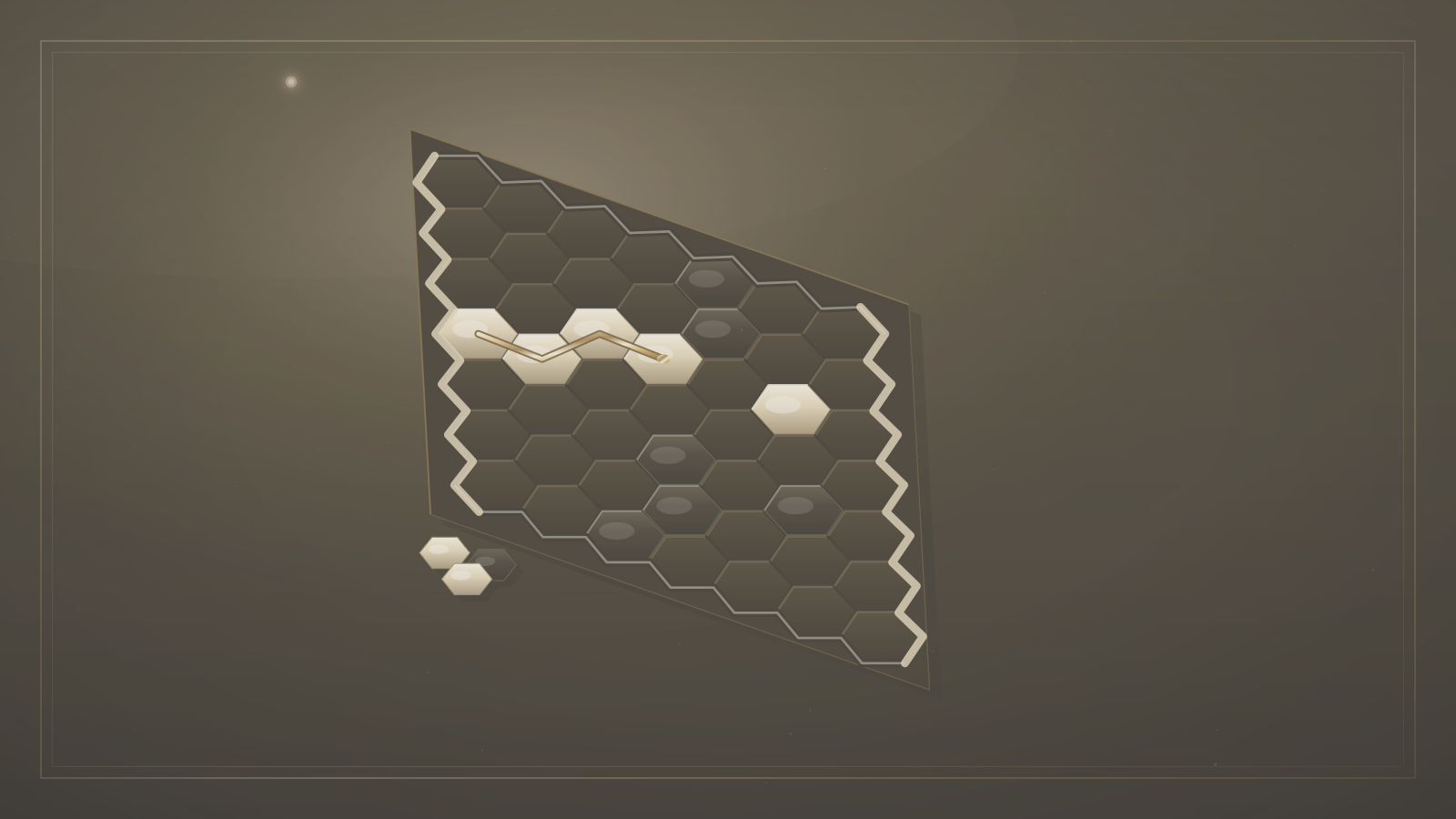
Key art
Key art — Board.game art system
More like this
 Classics
Classic · two players
Reversi
Nothing is taken. Everything changes sides.
2 players15–25 minCompetitive
Playable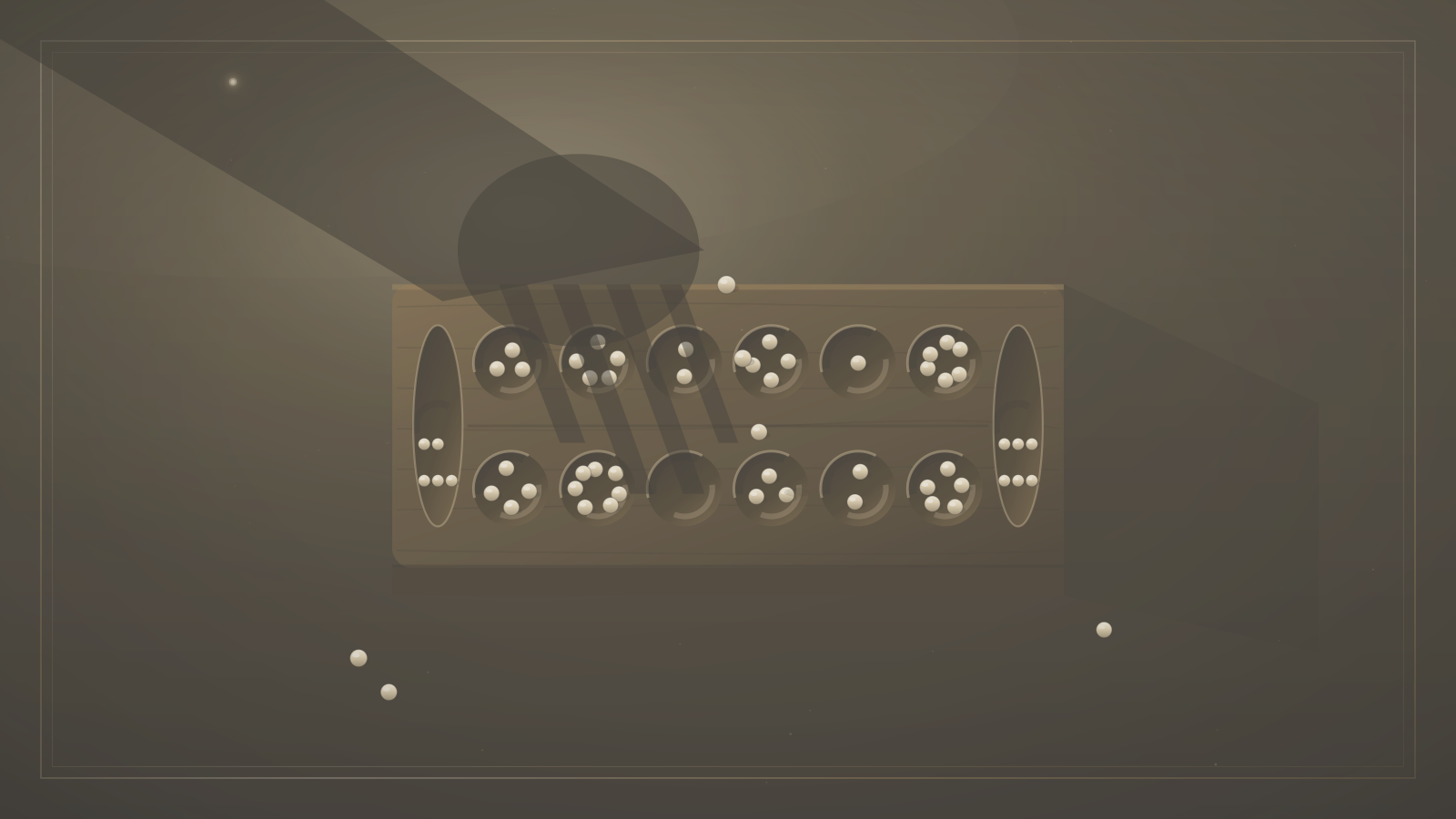 Classics
Classic · two players
Oware
Forty-eight seeds, and none of them are yours.
2 players10–25 minCompetitive
Playable Classics
Classic · two players
Chess
The one everyone already knows.
2 players20–60 minCompetitive
Playable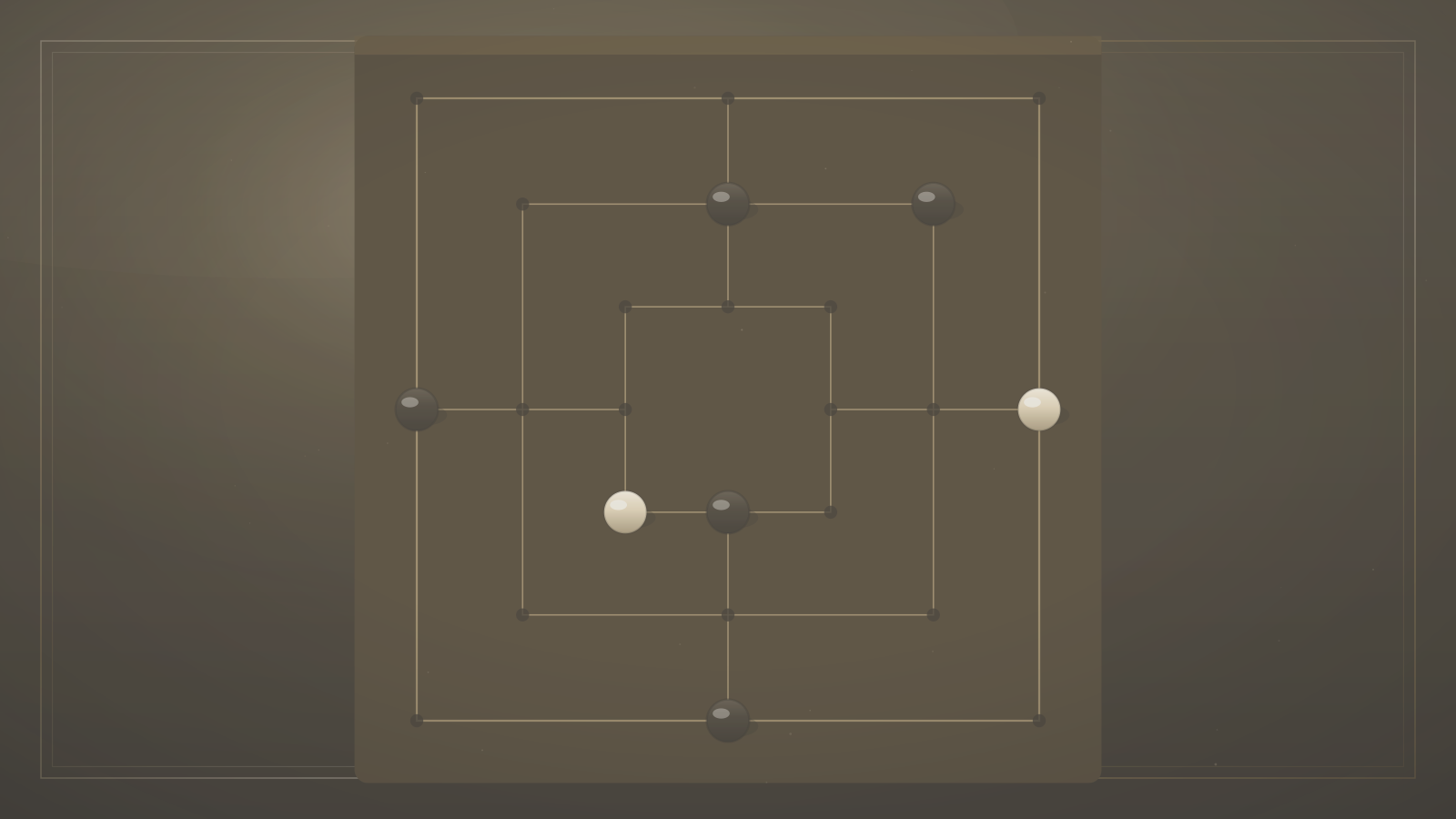 Classics
Classic · two players
Nine Men's Morris
Older than most of the board.
2 players10–20 minCompetitive
Playable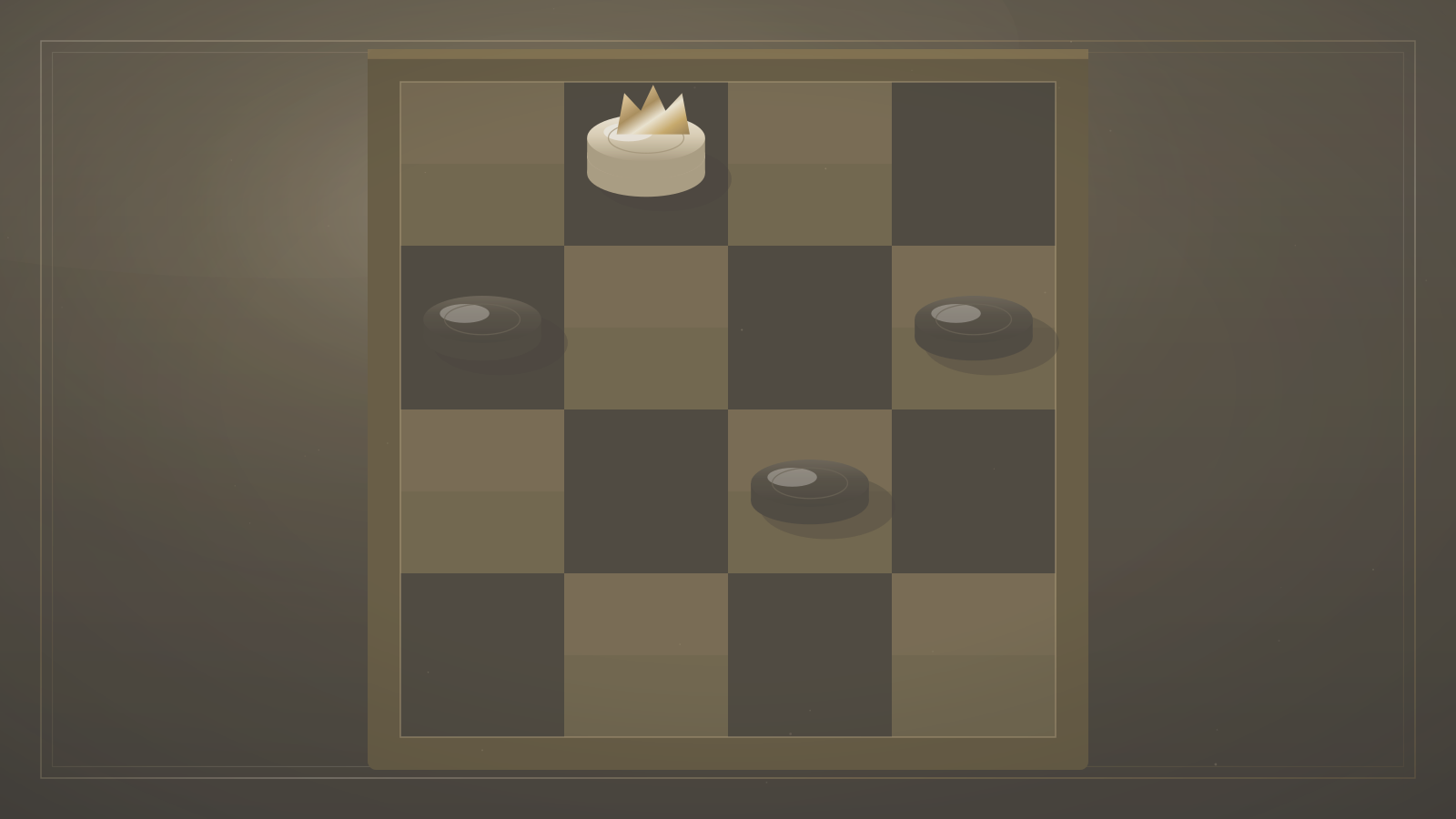 Classics
Classic · two players
Draughts
Get to the other side.
2 players10–30 minCompetitive
Playable Classics
Classic · four players
Hearts
The only game where you spend the evening trying not to win.
4 players15–35 minCompetitive
Playable Classics
Classic · two players
Go
Simple to state. Not simple.
2 players20–90 minCompetitive
Playable Classics
Classic · two players
Backgammon
Luck, handled well.
2 players15–40 minCompetitive
Playable