Meridian
Asymmetric strategy
Two powers, one unfinished chart, and a law that binds whoever wrote it.
Ready to play now.
A demonstration of Meridian, played by the computer against itself.
Meridian — playing itself
Ways to play
Alone, against the computer
Your own pace, no arranging anything. Take a move back whenever you like.
Play alone5 opponents, weakest first
- LearningOne ply. Takes the cells that are going now, and half the time plays one of the ten moves it liked rather than the one it liked most.
- CasualTwo plies: it sees the answer to its own move, and still slips about one turn in three.
- SteadyFour plies, but it only follows up the three most promising soundings a turn, so it misses the quiet ones.
- SharpFour plies and six candidates a turn. It will notice that the sounding you want to publish finishes its squeeze.
- RelentlessFour plies and twenty candidates a turn, no slips at all, and about thirty-four thousand positions scored a move — a quarter of a million on the hardest turn of a survey, measured move by move rather than promised. Twenty is measured rather than maximal: a wider beam plays this game worse, and the harness says by how much.
Together, in the same room
2 players. One device goes round the table, or everybody plays off the same screen.
Play in the same roomOnline, at a table
A room code, joinable from anywhere. Pause tonight and pick it up next week from your device.
Play online
About
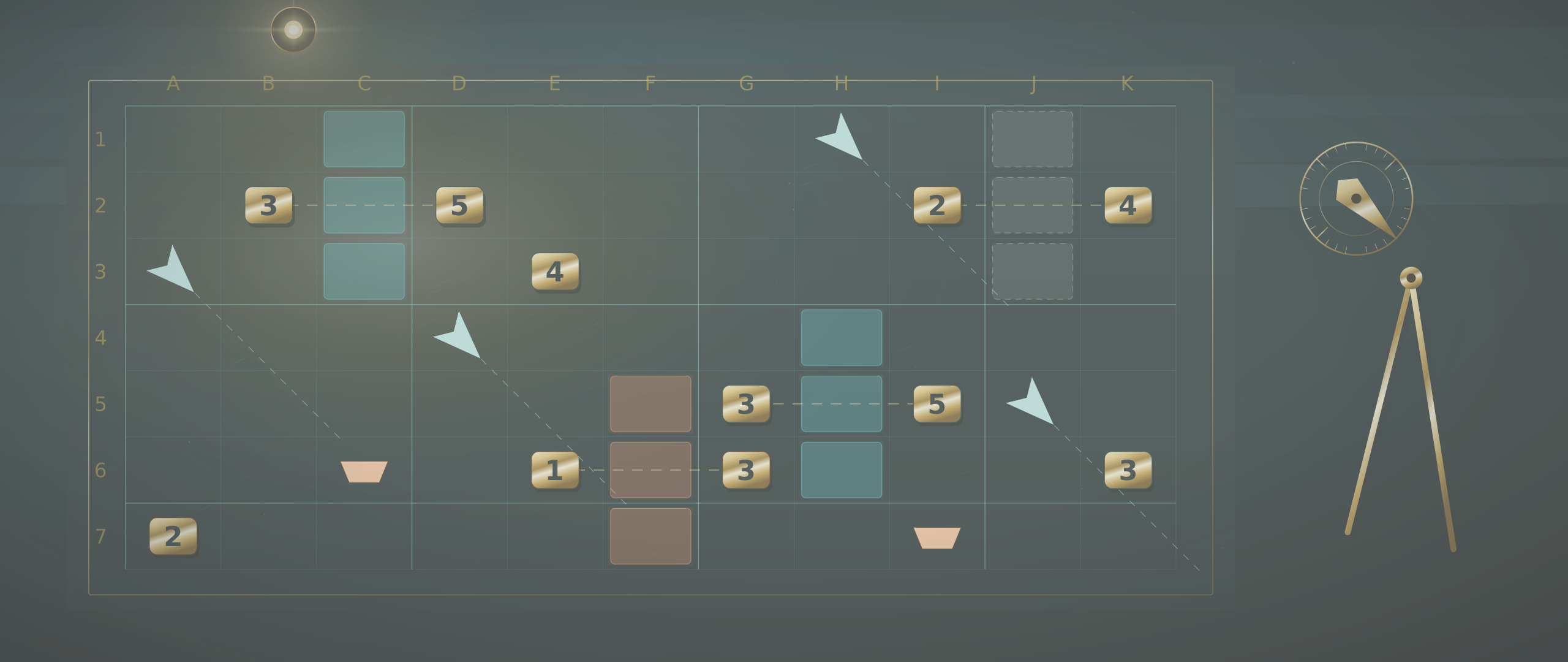
Rival survey fleets racing to fix the shape of a coastline before the other side does. Every measurement you publish becomes a fact everyone must play by — including you, and the coast you score is the water the chart settles without anybody ever going there.
How it feels
- Slow knife
- Every turn matters
- Clean, hard decisions
What the design is for
One law, and it binds you too
No two soundings on the chart may differ by more than the distance between them — the seabed does not climb faster than a fathom a mile. Publish five fathoms and one fathom becomes illegal for four cells around it, for both fleets, for the rest of the game.
You score the water you never went to
Where the law leaves a cell only one possible depth, the chart is fixed there and it counts — for whichever fleet that depth suits. A cell somebody actually sounded counts for nobody. Your instruments are not your holdings.
Sides that play differently
The Crown runs survey lines: four ships, one bearing the whole fleet keeps, two soundings a turn at the ends of a line and the water between charted by inference. The Company creeps: two boats, any direction it likes, one sounding a turn — and it may use the Crown’s own readings as one end of its squeeze. Measured rather than hoped: over a hundred matched surveys at the top rung the Crown takes 48% of the ones that end decided.
One contest, once
The Company alone may strike a single Crown sounding off the chart and publish its own in its place. It is the only thing in the game that unmakes a fact, and cells that were settled come unsettled when it lands.
A turn a day is a valid way to play it
Strictly one fleet at a time, no simultaneous phase, no timer, and thirty turns from end to end. Nothing in it needs two people in the same minute.
An opponent that does not depend on your computer
Bounded by how far it looks rather than by how long it is given — a depth and a beam, no clock anywhere in it — so the same seed plays the same move on a fast machine and a slow one. And every depth it plays from is an even one, because a search that stops after its own move counts what it gains and not what the reply takes back, and in this game that is worth twenty-odd points to one side or the other.
- Best at
- 2
- Kind
- Strategy
- Table
- Competitive
- Studio
- Board.game
The opponents
Learning
One ply. Takes the cells that are going now, and half the time plays one of the ten moves it liked rather than the one it liked most.
Casual
Two plies: it sees the answer to its own move, and still slips about one turn in three.
Steady
Four plies, but it only follows up the three most promising soundings a turn, so it misses the quiet ones.
Sharp
Four plies and six candidates a turn. It will notice that the sounding you want to publish finishes its squeeze.
Relentless
Four plies and twenty candidates a turn, no slips at all, and about thirty-four thousand positions scored a move — a quarter of a million on the hardest turn of a survey, measured move by move rather than promised. Twenty is measured rather than maximal: a wider beam plays this game worse, and the harness says by how much.
Achievements
0 of 6 earned
The Chart Stands
Win a survey.
Admiralty Work
Win a survey as the Crown, running lines on a bearing the whole fleet keeps.
Two Boats and a Grudge
Win a survey as the Company, with one sounding a turn and one right of contest.
Hoist by Your Own Sounding
Win a survey in which one of your own readings holds a cell of the other side’s coast in place.
Mostly Fairway
Win a survey where the water belonging to nobody is the largest holding on the chart.
Against the Beam
Win against one of the top two opponents.
Key art
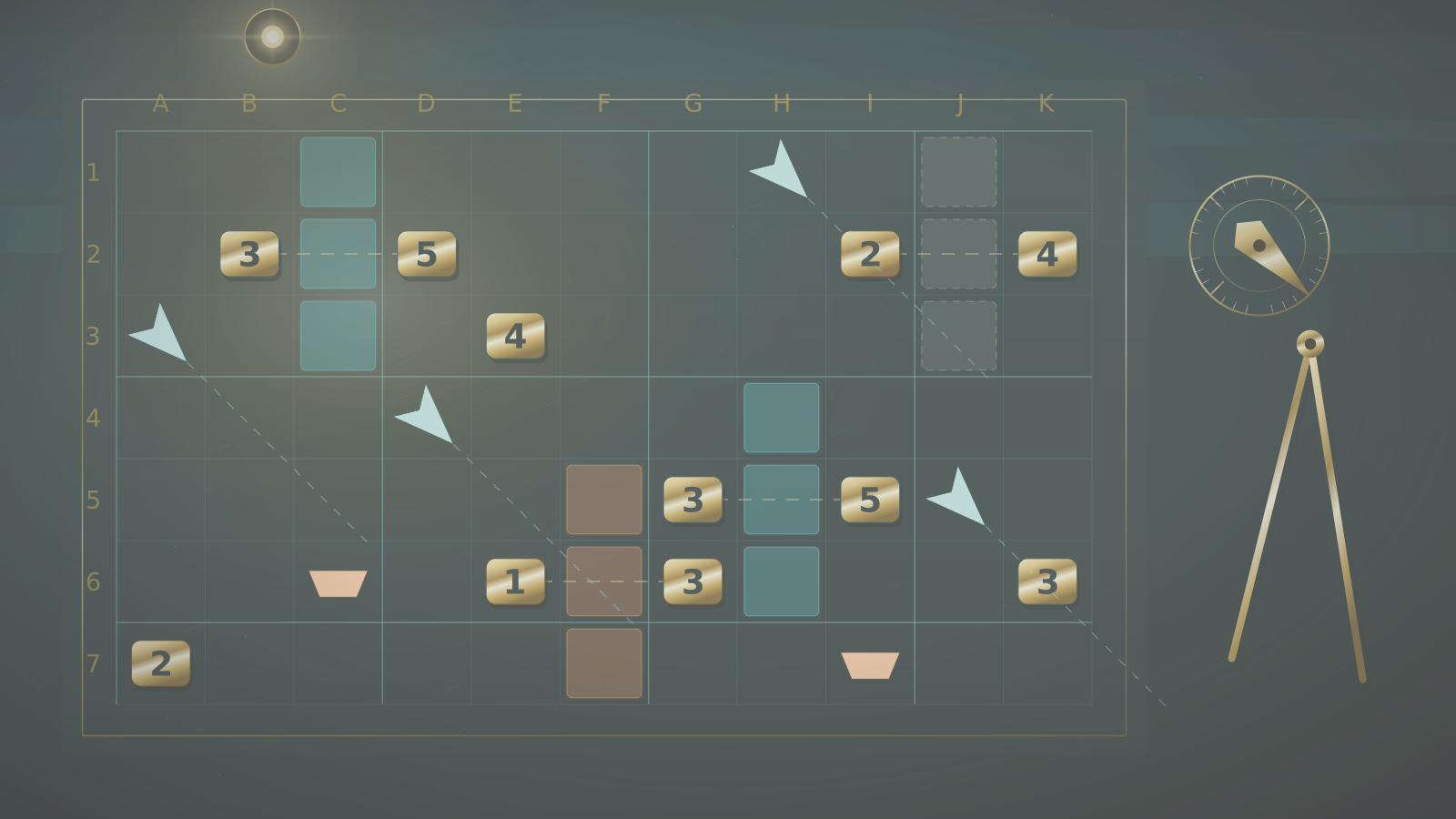
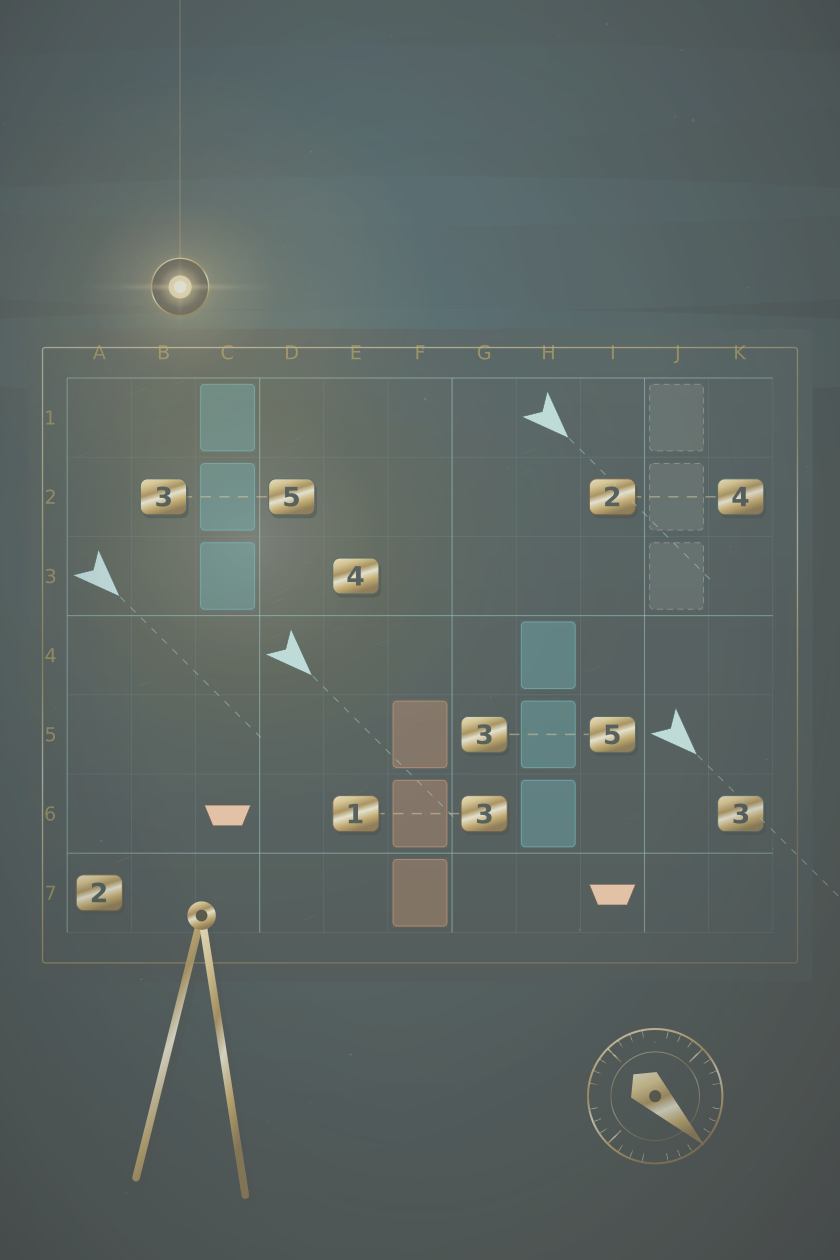
Key art — Board.game art system
More like this
 Classics
Classic · two players
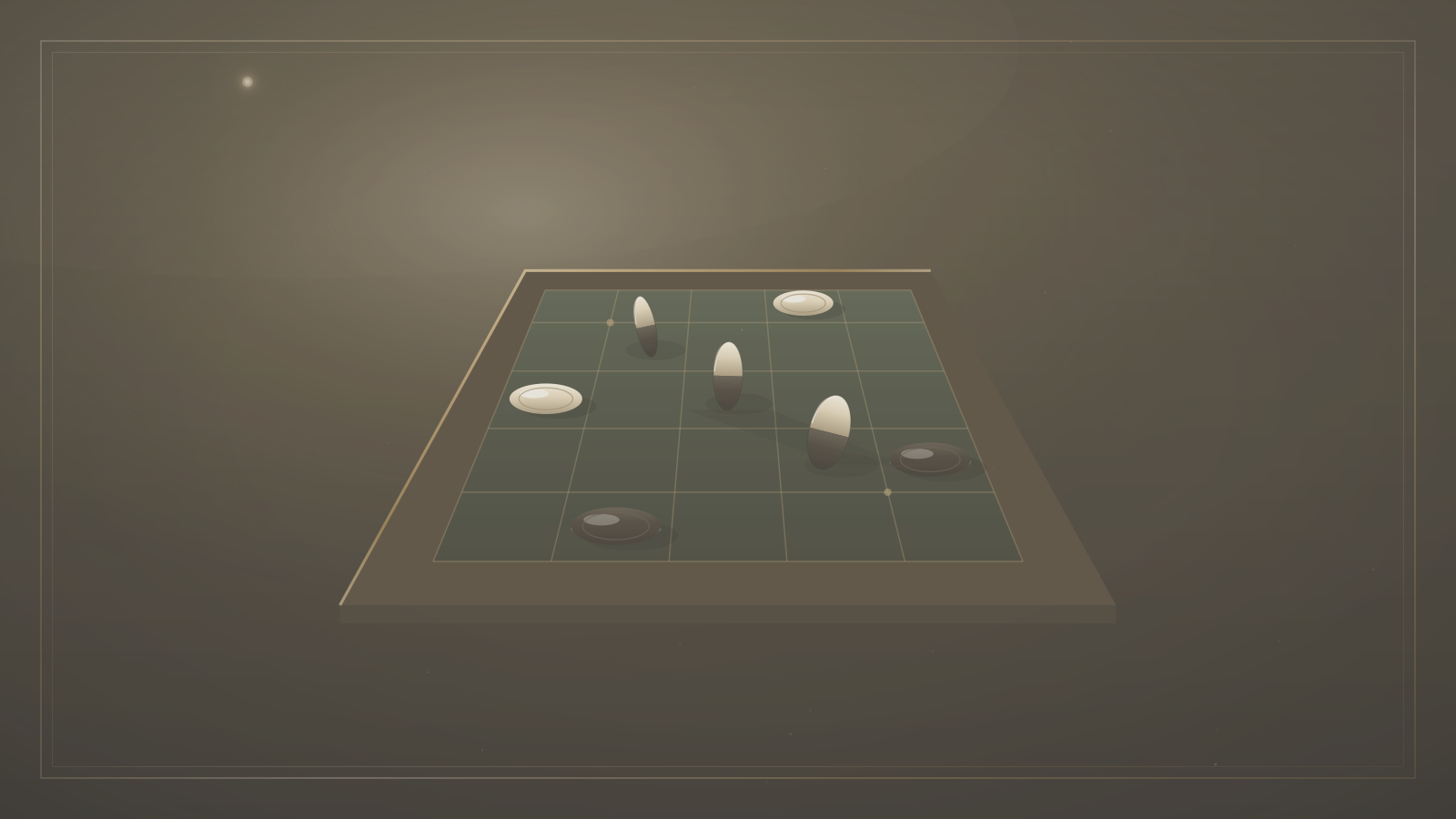
Reversi
Nothing is taken. Everything changes sides.
2 players15–25 minCompetitive
Playable Classics
Classic · two players
Hex
Join your two sides. That is the entire rulebook.
2 players10–30 minCompetitive
Playable Classics
Classic · two players
Oware
Forty-eight seeds, and none of them are yours.
2 players10–25 minCompetitive
Playable Classics
Classic · four players
Hearts
The only game where you spend the evening trying not to win.
4 players15–35 minCompetitive
Playable
A gentle deckbuilder
Seedlight
Everything you plant lights up eventually. Some of it takes years.
1–4 players40–60 minCompetitive
Playable Classics
Classic · two players
Chess
The one everyone already knows.
2 players20–60 minCompetitive
Playable Classics
Classic · two players
Go
Simple to state. Not simple.
2 players20–90 minCompetitive
Playable Board.game Original
An occult trick-taking game
The Fourteenth Card
Thirteen arcana are documented. Players keep finding a fourteenth.
2–4 players20–30 minCompetitive
Playable