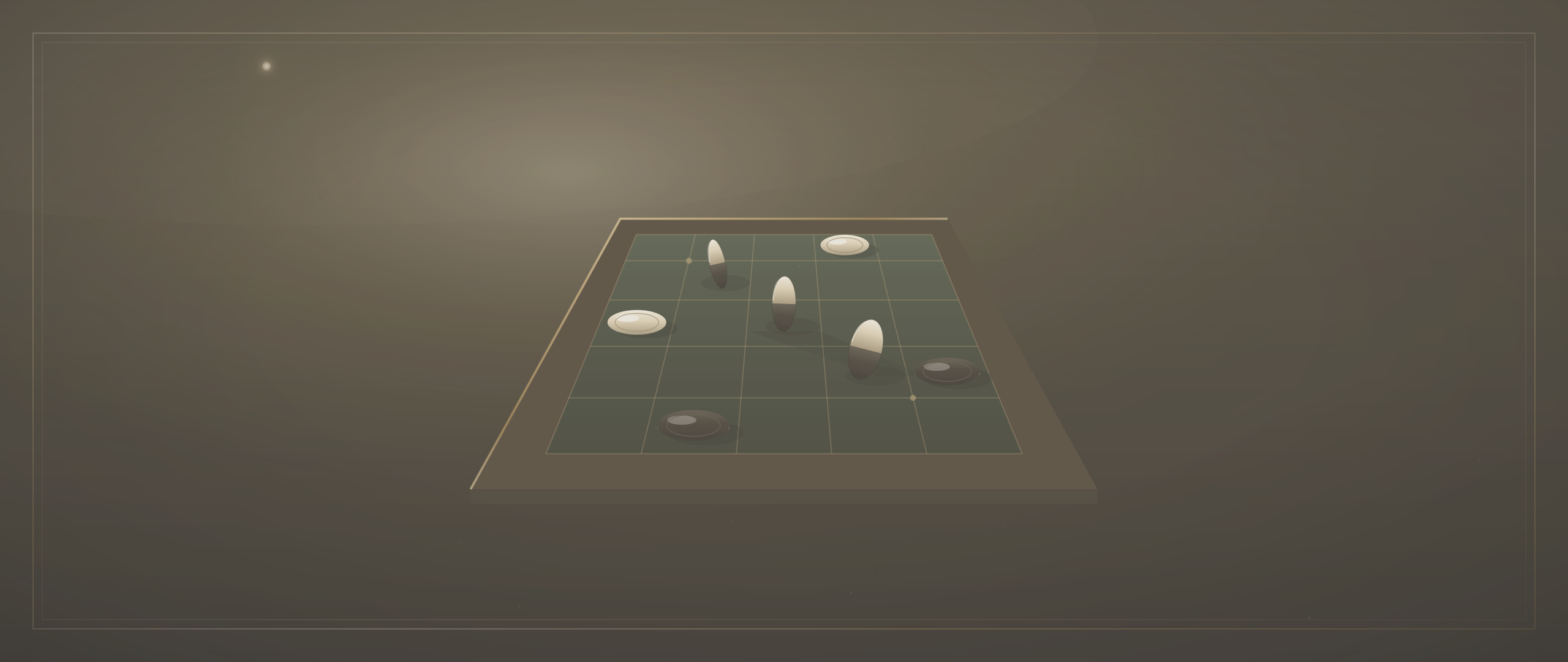
Reversi
Classic · two players
Nothing is taken. Everything changes sides.
Ready to play now.
A demonstration of Reversi, played by the computer against itself.
Reversi — playing itself
Ways to play
Alone, against the computer
Your own pace, no arranging anything. Take a move back whenever you like.
Play alone5 opponents, weakest first
- GreedyNo search at all: it turns over the most discs it can see, which is the strategy everybody starts with.
- CountingFour hundred positions a move, two plies deep, and it plays a plausible move instead of its best one about a third of the time.
- EdgingTwo thousand positions and four plies, with the same lapse about one move in eight.
- ClosingEight thousand a move, six plies, no lapses at all, and the last nine squares played out to the final disc.
- UnturnedForty thousand a move, as deep as ten plies where the budget reaches, and the last eleven squares solved exactly.
Together, in the same room
2 players. One device goes round the table, or everybody plays off the same screen.
Play in the same roomOnline, at a table
A room code, joinable from anywhere. Pause tonight and pick it up next week from your device.
Play online
About
Eight by eight, one box of discs, and every disc is both colours. A move must trap a line of theirs between the one you play and one of yours — and every line you shut turns over at once, which is why being ahead in the middle of this game means almost nothing.
How it feels
- Deceptive
- Swings late
- Learned in a minute
What the design is for
Every line shuts at once
A disc can close a row, a column and a diagonal in the same move, and all three turn over. The board draws it as a turn running outward from the square you touched, so you can see which line you shut.
The pass you are made to make
With nothing that traps anything, the only thing you may do is say so — and the board offers it only then, so a turn can never be given away by accident. Two passes in a row and the game is over.
The last squares are solved, not guessed
The top rungs stop evaluating near the end, play the remaining squares out to the final disc, and then play the move that ends best rather than one near it. The two strongest solve the last nine and the last eleven.
An opponent that does not depend on your computer
Bounded by positions counted rather than by a clock, so the same seed plays the same move on any machine. The five rungs were measured against each other over a hundred games each.
Taught by playing
Five steps and a free game, including a corner you are asked to take, a corner you are asked not to give away, and a turn where the only thing on offer is a pass.
- Best at
- 2
- Kind
- Classic
- Table
- Competitive
- Studio
- Classic — public domain
The opponents
Greedy
No search at all: it turns over the most discs it can see, which is the strategy everybody starts with.
Counting
Four hundred positions a move, two plies deep, and it plays a plausible move instead of its best one about a third of the time.
Edging
Two thousand positions and four plies, with the same lapse about one move in eight.
Closing
Eight thousand a move, six plies, no lapses at all, and the last nine squares played out to the final disc.
Unturned
Forty thousand a move, as deep as ten plies where the budget reaches, and the last eleven squares solved exactly.
Achievements
0 of 5 earned
Turned Over
Win a game of Reversi.
Not One Left
Win with nothing of theirs on the board.
All Four Corners
Win holding every corner — four discs nobody could ever have turned back.
Behind the Whole Way
Win a game in which you were never once ahead until the final disc.
Against the Machine
Beat one of the top two opponents.
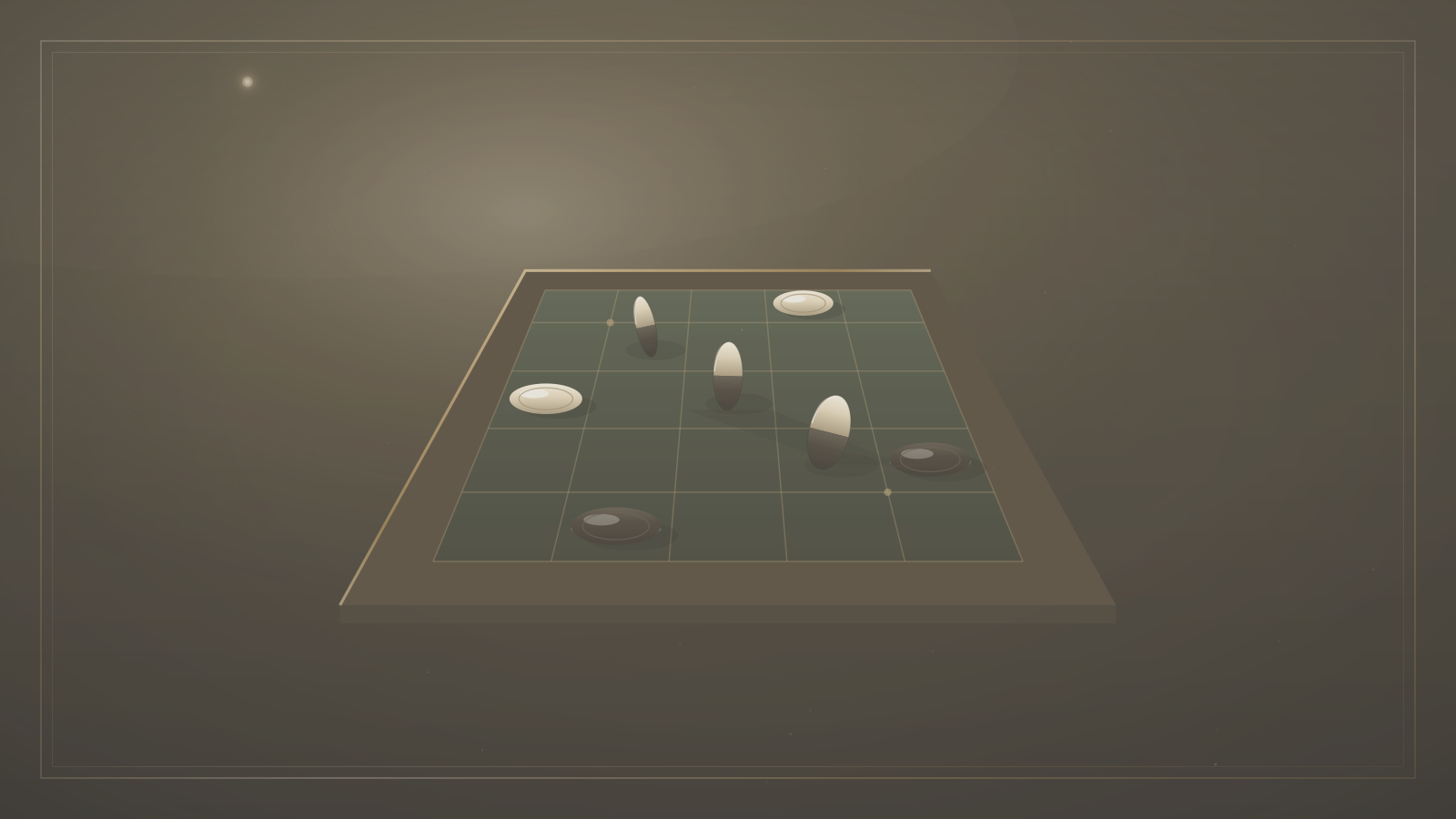
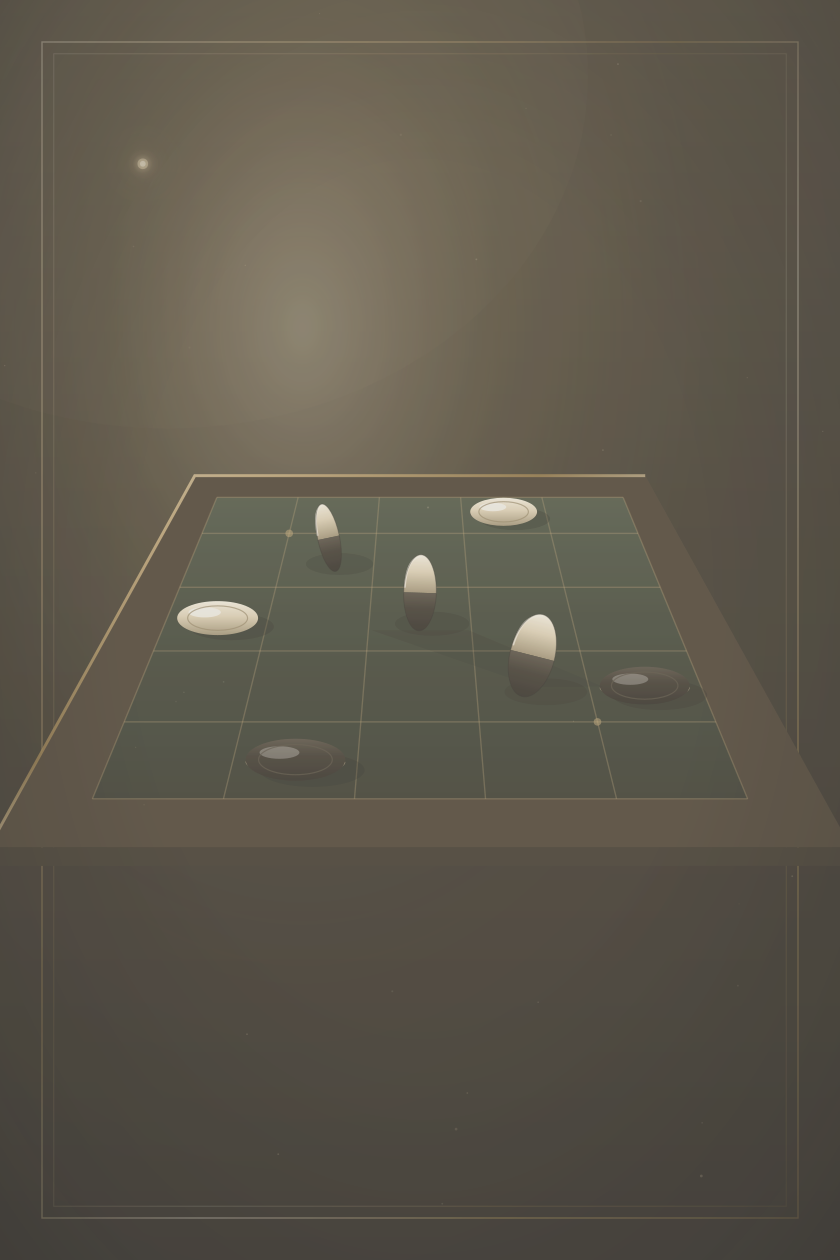
Key art
Key art — Board.game art system
More like this
 Classics
Classic · two players
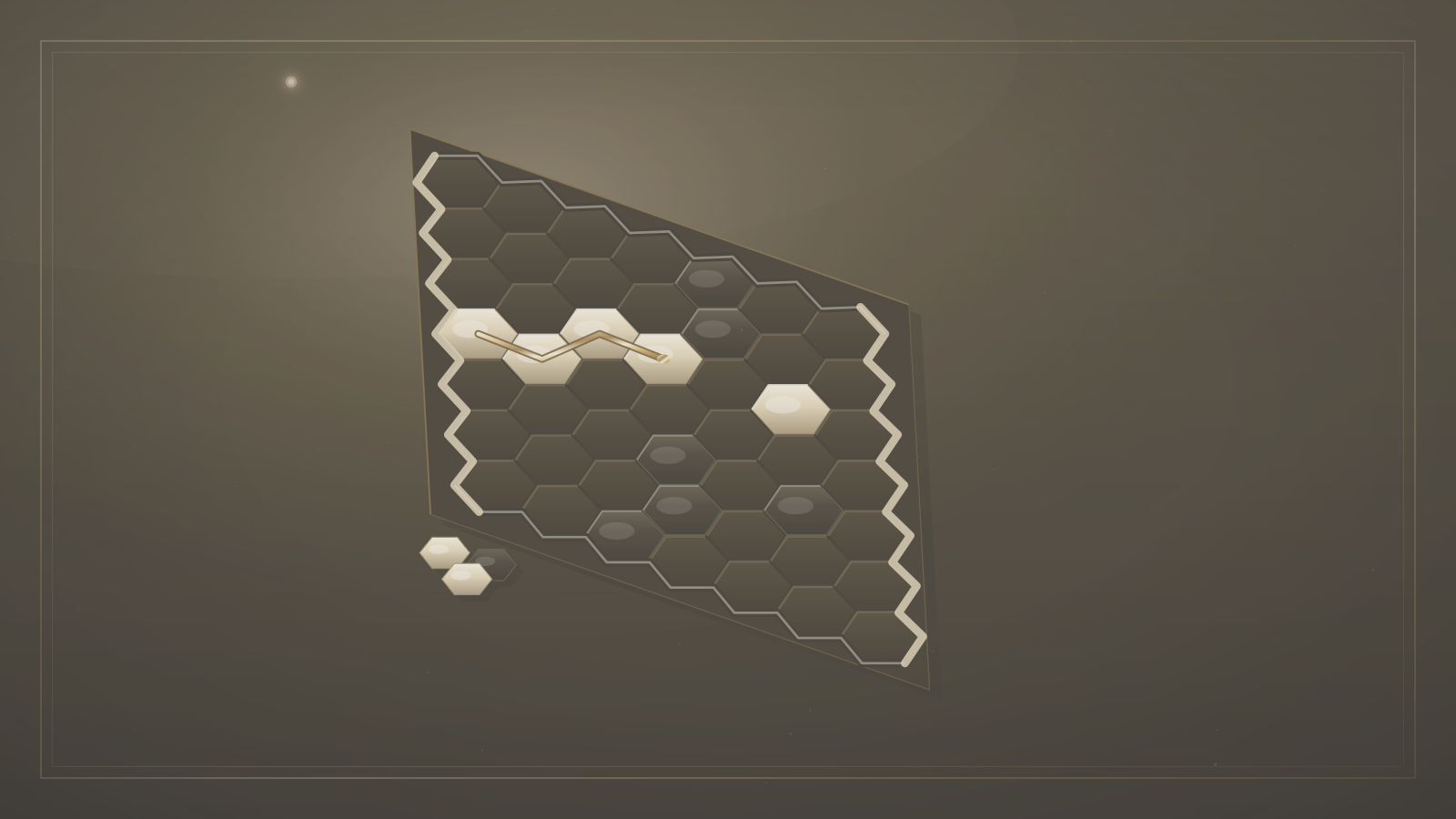
Hex
Join your two sides. That is the entire rulebook.
2 players10–30 minCompetitive
Playable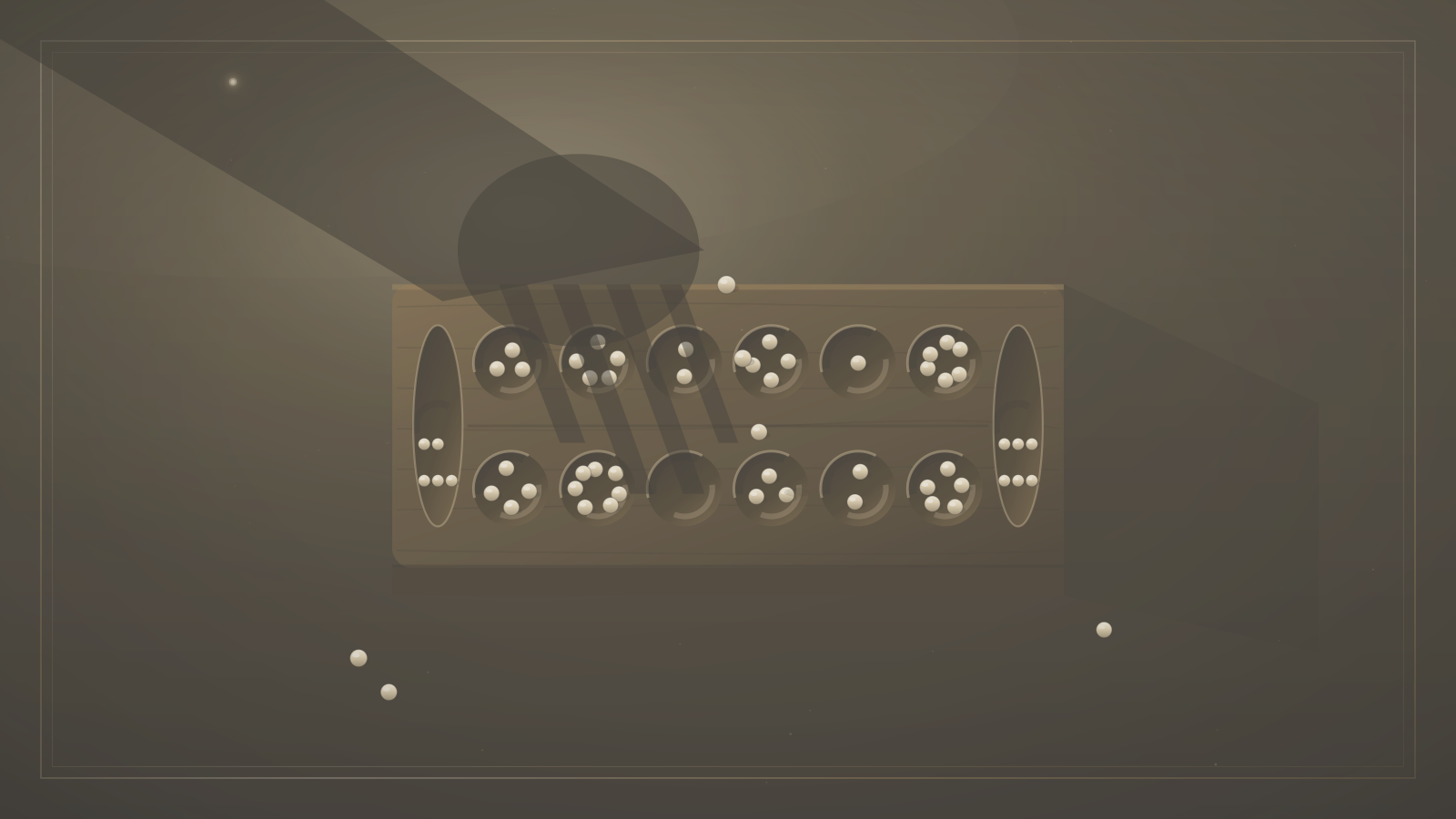 Classics
Classic · two players
Oware
Forty-eight seeds, and none of them are yours.
2 players10–25 minCompetitive
Playable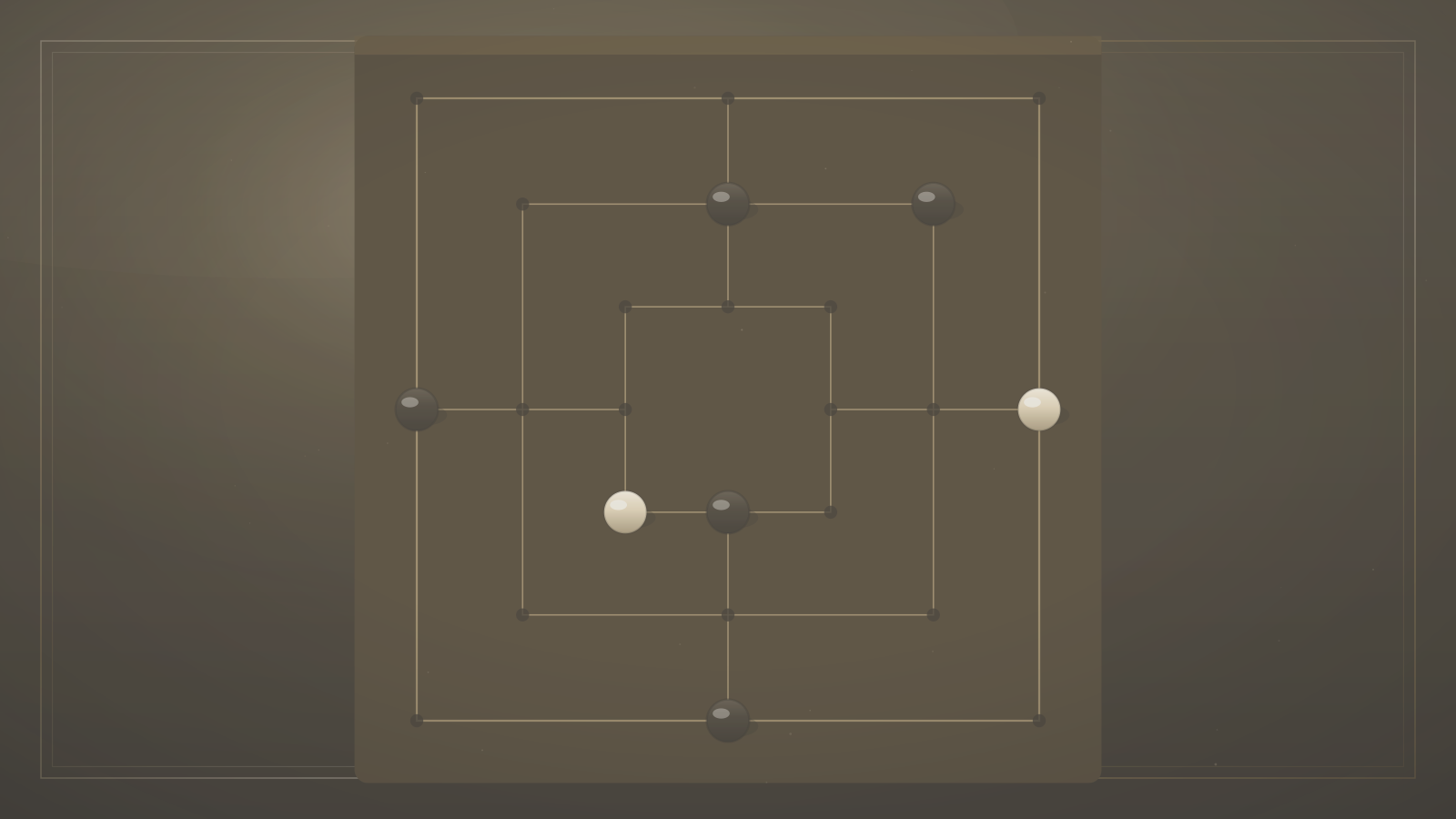 Classics
Classic · two players
Nine Men's Morris
Older than most of the board.
2 players10–20 minCompetitive
Playable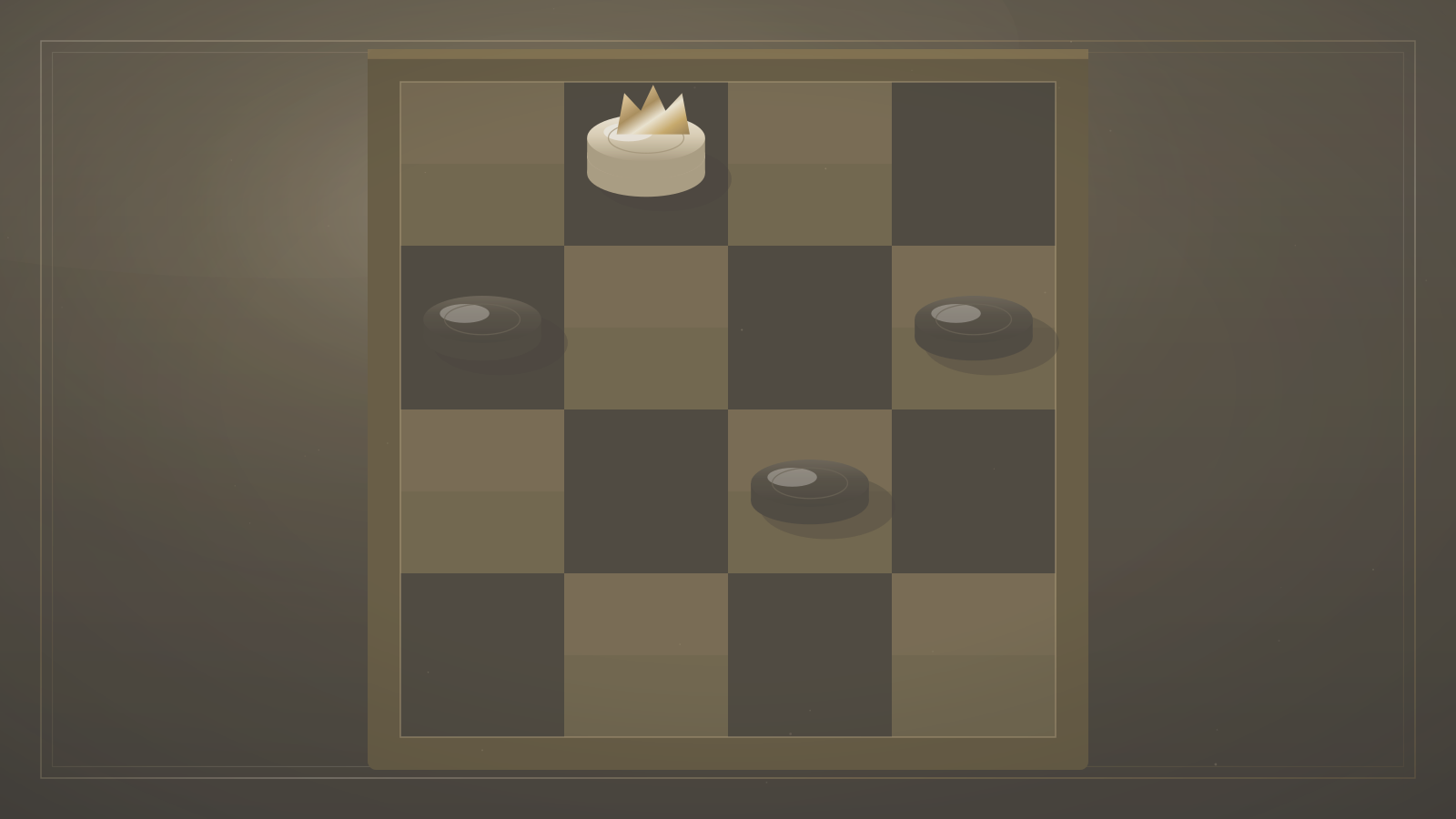 Classics
Classic · two players
Draughts
Get to the other side.
2 players10–30 minCompetitive
Playable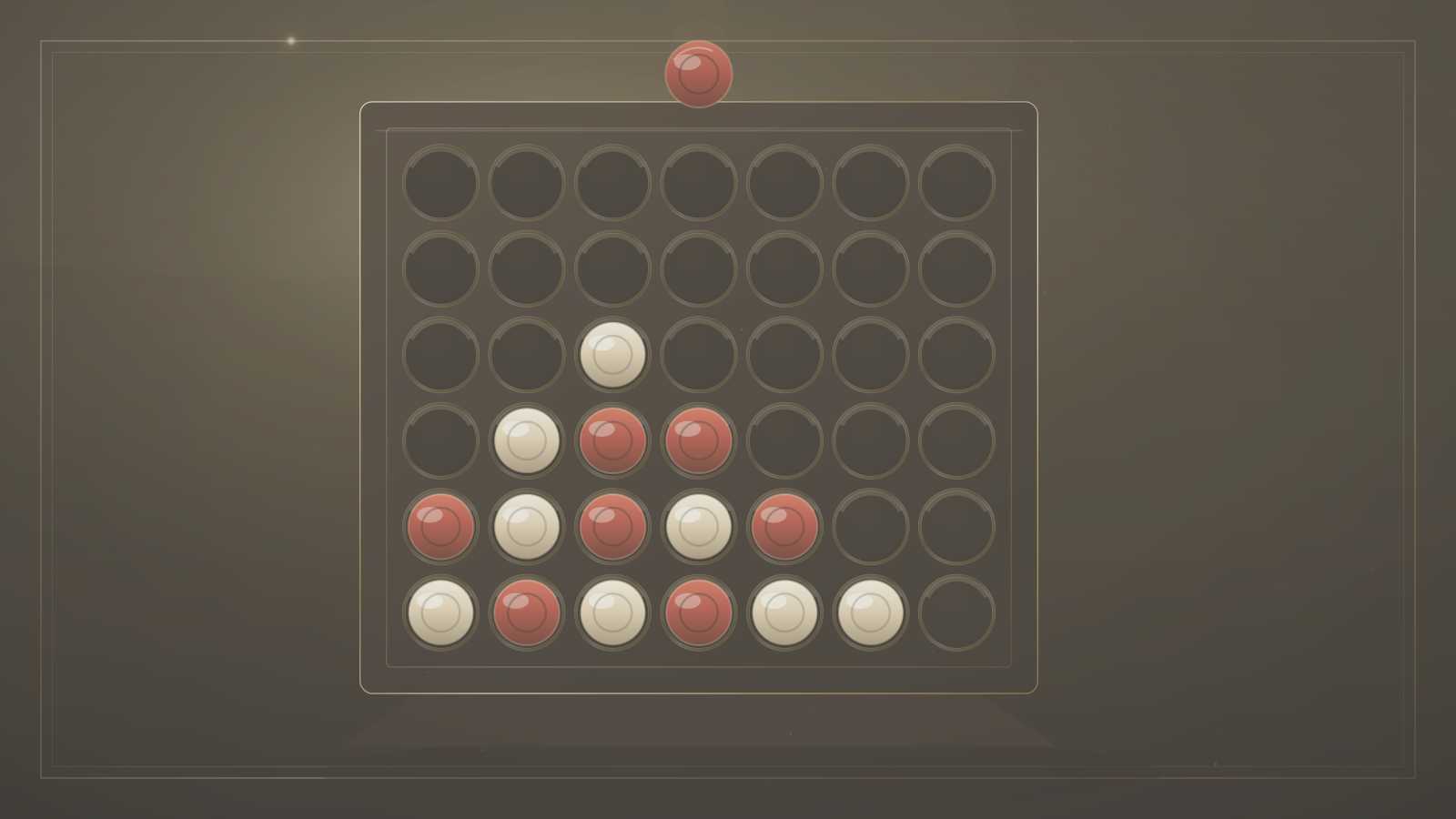 Classics
Classic · two players
Four in a Row
Four in a line. Any line.
2 players5–10 minCompetitive
Playable Classics
Classic · four players
Hearts
The only game where you spend the evening trying not to win.
4 players15–35 minCompetitive
Playable Classics
Classic · two players
Chess
The one everyone already knows.
2 players20–60 minCompetitive
Playable Classics
Classic · two players
Go
Simple to state. Not simple.
2 players20–90 minCompetitive
Playable